
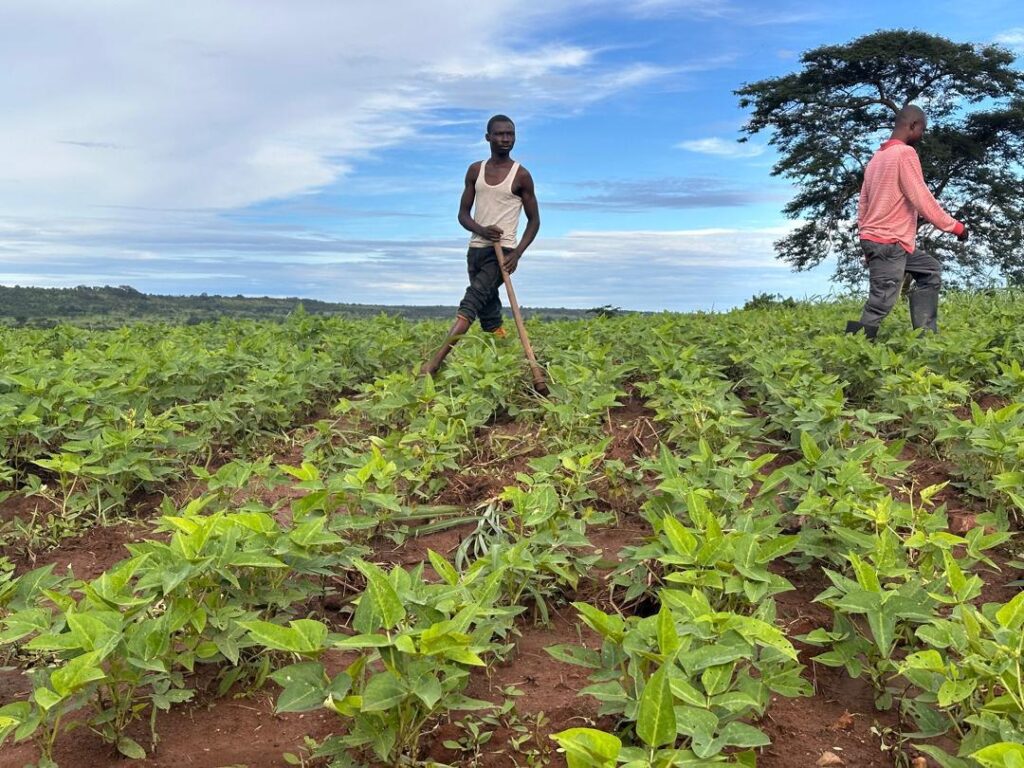
KAMINA, Democratic Republic of Congo – In the heart of Congo, a United Methodist farm initiative is redefining community resilience and changing lives.
Funded with a grant from the Yambasu Agriculture Initiative, the North Katanga Conference Integrated Agricultural Development Project at Kamisamba Farm is designed to strengthen food security, improve nutrition, enhance skills, and create sustainable livelihoods.
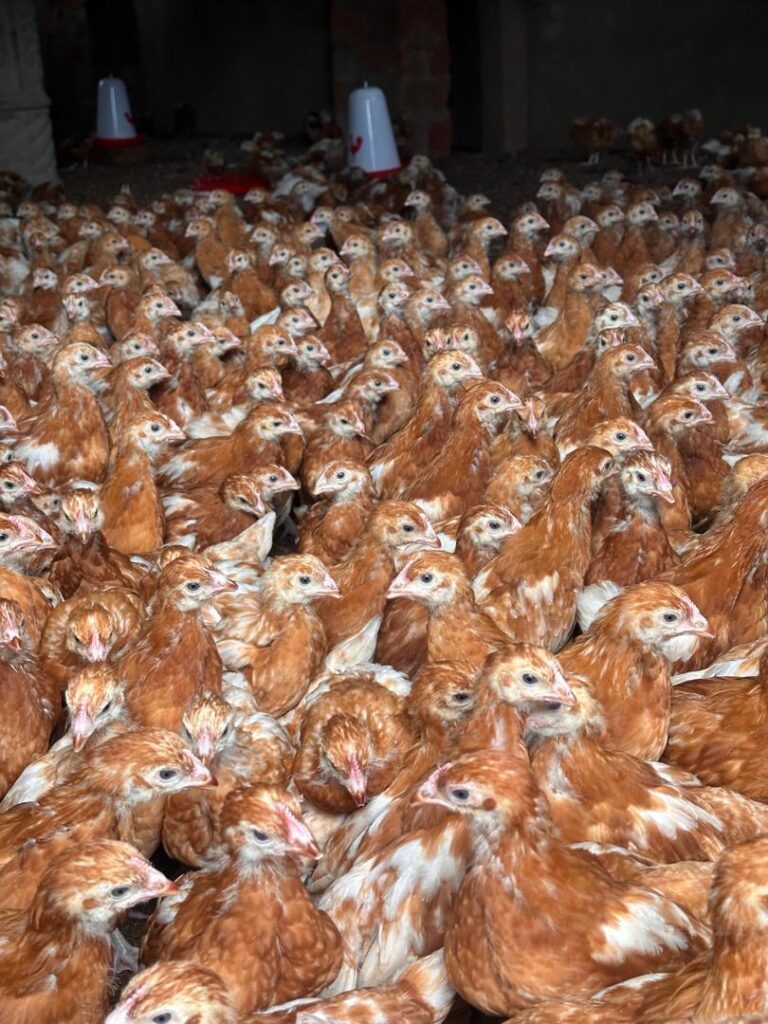
With poultry and crop farming at its core, the project has already delivered 1,000 chicks, marking the operational launch of its poultry component.
An additional grant supports nutrition programs targeting pregnant women and children under 5, ensuring that vulnerable groups benefit directly from the initiative.
“The North Katanga Integrated Agricultural Development Project is more than a farm. It is a lifeline for communities and students,” said the Rev. Kyungu Bertin, assistant to Bishop Mande Muyombo and coordinator of Health and Developmental Projects.
A Clear Vision
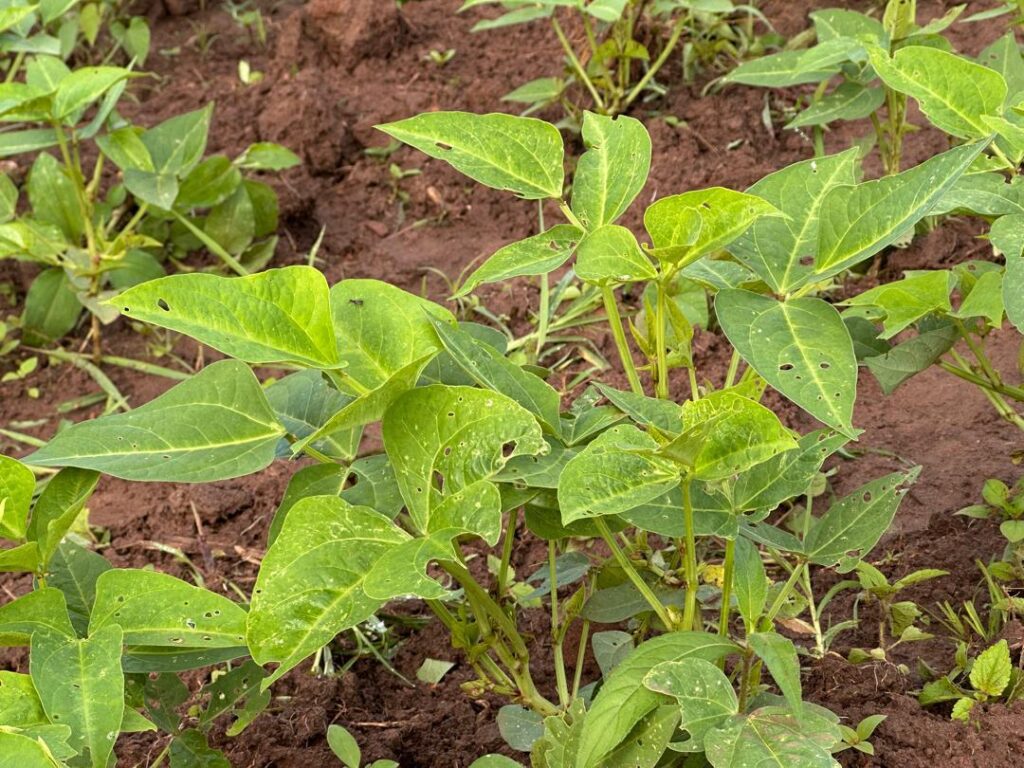
With a defined timeline of February 2026 to January 2027, project participants have planted beans and groundnuts, with plans to expand into rice, maize, soybeans, and sweet potatoes across approximately 30 hectares (a little over 70 acres). Irrigated horticulture will guarantee year‑round food supply, while job creation and social reintegration add further dimensions to its impact. The program is benefiting an estimated 80,000 people directly or indirectly.
“By combining poultry, crops, irrigation, nutrition, job creation, and student practical training, this project addresses immediate needs while building long‑term resilience,” Bertin said.
“From students and farmers to health workers and government officials, voices across North Katanga testify to its impact,” he continued. “Challenges remain, including climate risks, logistical hurdles, and post‑harvest losses, but the vision is clear: sustainable, inclusive, and resilient agriculture that transforms communities.”
Opportunities for Students
The project stands as a beacon of hope and a model for agricultural development across the region, including hands‑on learning opportunities for students at four area universities and colleges.
“We were happy when the first batch of chicks was delivered on March 15, 2026,” said Ilunga Makobo Marie, a student at Kamina University who undertakes agricultural practicals at the farm. “It marked the operational launch of the poultry component of the integrated agricultural development project. It was a turning point for Kamisamba Farm, the North Katanga Conference and our university because we always do our practicals at this farm.”
However, challenges quickly emerged. More than 300 chicks died due to transportation delays along the 600 km route from Lubumbashi to Kamina. “This experience was a good lesson for many learners on the challenges that can be faced during transit.”
“After the first week at the farm, no further chick mortality was recorded, indicating improved farm‑level management and appropriate rearing conditions,” Marie said.
The next delivery, scheduled for May, will include 1,300 chicks — 800 new and 500 replacements for earlier losses.
Strengthening Resilience
Crop farming is equally central to the project. “Under the initiative, five hectares of beans and two hectares of groundnuts have already been planted,” explained Maman Mukonkole, a seasoned contractor at Kamisamba Farm.
To ensure continuous production, irrigation systems are being installed. “Horticultural crops will be sustained during the dry season through irrigation,” said John Ntambo, an agronomist at Kamisamba Farm. “This includes the installation of irrigation pipes and the use of 20,000‑liter water tanks already available at the farm.”
This infrastructure guarantees vegetables and nutritious foods throughout the year, strengthening resilience against droughts and seasonal shortages.
Local farmers and community members are already seeing the project’s impact.
“The focus on food and nutrition supporting vulnerable groups such as children, pregnant women, and older people is being witnessed,” said Kalenga Alphonsine, a farmer from Kinkunki.
Mbuya Seya, a farmer at Kikoko Farm, emphasized climate‑smart practices. “This approach helps communities cope with environmental challenges, generate income from surplus produce, and improve resilience against food shortages and economic shocks.”
Mpanga Eric, technical adviser to the minister of agriculture, highlighted job creation, noting that the jobs provide regular income and are complemented by on‑the‑job training that equips workers with practical skills for sustainable livelihoods.
Combating Malnutrition
Beyond farming, the project addresses social reintegration and nutrition. Bertin said that employing four men who grew up at the Kamina orphanage has enabled them to acquire skills, earn stable incomes, and integrate into society as productive community members.
Nutrition interventions are equally vital. Ngoy Sokel Padon, head of department at Lupandilo Health Institution, explained that pregnant women and children under five are the most vulnerable due to poverty and limited food availability.
“Poor nutrition during pregnancy and early childhood leads to serious health consequences,” he said. “Addressing malnutrition early prevents stunted growth, illness, and delayed cognitive development.”
A Model for Other Areas
The project also promotes environmentally responsible farming, according to Ilunga Mukaina Grace, secretary at the Ministry of Environment. “The project supports sustainable livelihoods by promoting local food production, better land use, and environmentally responsible practices.”
Elite Musenge, an economist, pointed to logistical and post‑harvest challenges, noting that limited access to inputs from Lubumbashi raises costs, while weak transport infrastructure and inadequate storage contribute to food losses.
Haut Lomami, an official at the Ministry of Agriculture in Kamina Province, sees the project having significance beyond the area. “I believe the project could serve as a model for other regions through sustainable farming, farmer‑to‑farmer learning, small‑scale irrigation, and partnerships with churches, universities, and local and development organizations.
“The integration of poultry and crops was described as key to resilience,” he added. “Poultry provides eggs, meat, and income even when crop harvests fail, while manure improves soil fertility and crop residues reduce waste when used as feed.
“The model is unique and an eye‑opener. To God be the glory.”
Norman Yekeye is a global missionary, agriculturalist, and rural economic development specialist. Kudzai Chingwe is a communicator for the Zimbabwe East Conference and Africa content development coordinator for Global Ministries.
The Yambasu Agriculture Initiative
The YAI program works with African United Methodist conferences toward self-sustainment using resources, both land and human, to optimize agricultural production. Through grants and training, YAI mobilizes existing land and human resources within the church; improves community livelihoods and food security long-term; and builds capacity in annual conferences toward long-term financial solvency.
Support food security and agricultural sustainability in Africa, Advance #982188.