
RUYIGI, Burundi – For the Rev. Ntawigaya Donatien, a United Methodist farming initiative provided a lifeline during a difficult time.
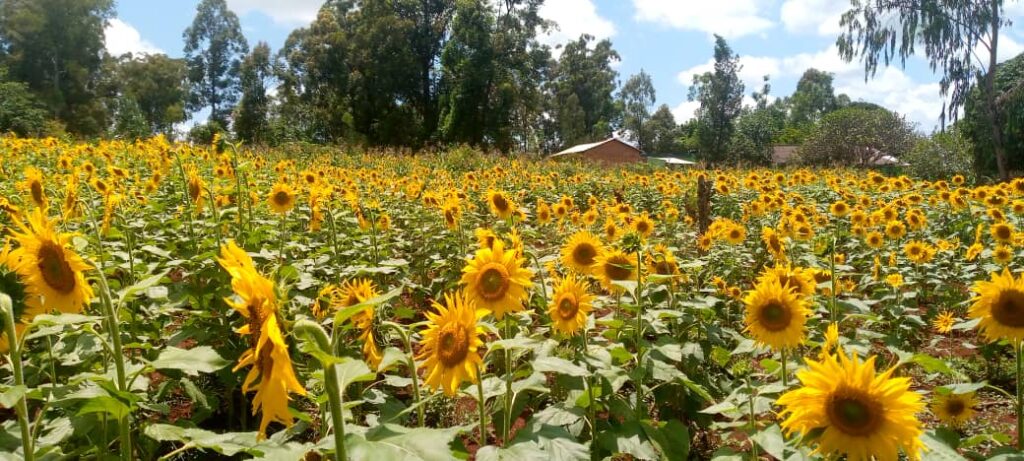
Since October 2024, The United Methodist Church’s Burundi Annual Conference, through its Giharo and Kinyinya districts in eastern Burundi, has been planting sunflowers and mushrooms and raising pigs. Funded with a grant from Global Ministries, the agricultural project has already touched lives.
“At first I thought the sunflower project was ordinary,” said Donatien, a United Methodist pastor and beneficiary of the program. “But at harvest time, I was amazed. Sunflowers became our lifeline during the dry season when no other crop could generate income. Buyers paid us instantly, allowing us to reinvest.”
For him, the project was more than farming – it was survival. When his wife fell ill and required treatment in Bujumbura, sunflower income covered medical costs. His success inspired neighbors to join, and he plans to expand his acreage.
“Sunflowers are easy to farm and offer good returns. They create employment through casual labor. My child at university was proud when I showed him the bulk of our harvest.”
More than 314 beneficiaries have been trained through the project, part of the Yambasu Agriculture Initiative (YAI). One key objective of YAI across the African continent is to help annual conferences achieve financial sustainability.
Of 15 hectares of land planted, eight were in Kinyinya and seven in Giharo districts. The project farmers cultivated sunflowers, harvesting nearly five tons, while an additional four tons were collected from the community. In addition, a piggery unit was established in partnership with the national agronomic research institute, ensuring access to breeding piglets.
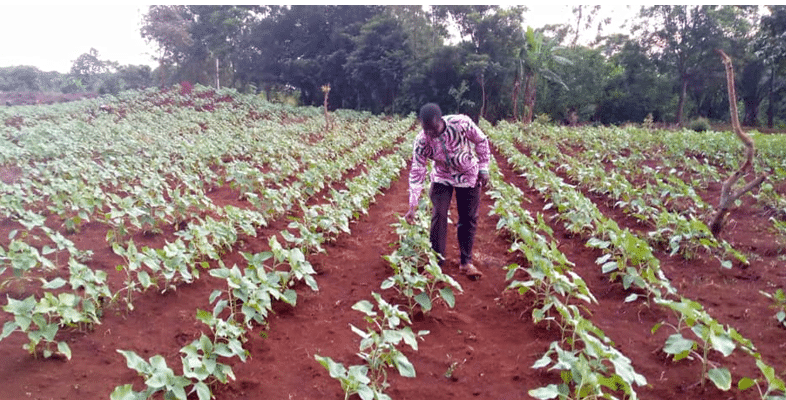
Infrastructure has been strengthened: a storage hangar, piggery buildings, a vehicle, and motorbikes now support operations. The project employs seven permanent workers and more than 100 temporary workers, with temporary labor boosting household incomes by about 10%, enabling families to pay school fees, buy food, and meet daily needs.
The journey has not been without challenges. Climate change has reduced yields, and macroeconomic instability, including inflation and fuel shortages, has strained resources. Still, the project is laying foundations for sunflower oil processing, a step toward long‑term sustainability.
A Holistic Strategy
Bishop Emmanuel Sinzohagera, who leads the Burundi‑Rwanda Episcopal Area, expressed thanks for Global Ministries and the Yambasu Agriculture Initiative. He said the project aligns with the Burundi Annual Conference’s mission and strategic plan, which seeks holistic transformation – spiritual, social, and economic – for church members and communities.
“One of our strategic plans is to enhance well-being by introducing this integrated initiative,” he explained. “Sunflower production will be processed into oil for human consumption and cake for livestock feed. Pig farming will produce meat, and the manure will feed the sunflower crop. Mushrooms produce fortified porridge flour to enhance nutrition. This creates a sustainable income stream for our members and the surrounding community.”
“The first phase encouraged members to grow sunflowers, and we have seen good results,” the bishop said. “Many households have sold sunflower harvests and generated income to meet their needs. Families are now able to send children to school and diversify into other projects. It is encouraging to see how the sunflower project is already impacting lives.”
The project was started with the objective of integrating sunflower, mushroom, and piggery operations in the Giharo and Kinyinya districts, said project manager Josiane Manirakiza.
At Kinyinya, the piggery project is thriving, with 31 piglets, four boars, and 27 sows.
“Challenges remain,” Manirakiza said. “Rainfall shortages have limited yields to five tons instead of the expected 15. Inflation and fuel scarcity have forced budget realignment, leading to the removal of the mushrooms and an oil-processing unit. To cope, the second phase of the project will concern the drilling a well for water, ensuring irrigation and sustaining the piggery unit.” The second phase will also include setting up an oil-processing unit.
Project ‘Changed My Life’
One beneficiary, Agnes Tiano, said: “When we were selected, we were extremely happy. Even those not initially chosen found opportunities. The harvest brought instant payment, immense joy, and resources to support our families. I bought clothes, school supplies, and food. Despite drought, we managed.”
“Even those outside the church benefited,” said Laurence Nyandwi, another participant. “The harvest came when market prices were high, and we earned enough to buy clothes, food, and essentials. At first, people doubted, but now they see. Next year, with more land, we will be better farmers.”
Jeremy Ntimpirangeza supervised construction operations, workers, and finances. “We welcomed everyone, church members and non-members alike. Workers were paid on time. We gathered stones, bought bricks, and removed eucalyptus trees.
“From my salary, I bought a motorbike and acquired farmland. My child now farms our plot. This project changed my life.”
That is just the beginning.
“The long‑term impact will bring complete transformation,” the bishop said. “We plan to expand into other regions of Burundi, creating a sunflower production market and encouraging farmers to produce more. A processing unit will be established to add value, enhance job creation, and contribute to local administration through income tax. The government will see the church as a true partner – not only spiritually but also in national development.
“This project shows the church in action – preaching the gospel through deeds,” he said. “Communities … see the church serving their needs. That is the beauty of this mission: loving boldly, serving joyfully, and leading courageously.”
Josiane Manirakiza is the project manager of the Yambasu Agriculture Initiative in Burundi Annual Conference and a coordinator of the United Methodist Development Agency. Kudzai Chingwe is a communicator for the Zimbabwe East Conference and Africa content development coordinator for Global Ministries.
The Yambasu Agriculture Initiative (YAI)
The YAI program works with African United Methodist conferences toward self-sustainment using resources, both land and human, to optimize agricultural production. Through grants and training, YAI mobilizes existing land and human resources within the church; improves community livelihoods and food security long-term; and builds capacity in annual conferences toward long-term financial solvency.
Support food security and agricultural sustainability in Africa.