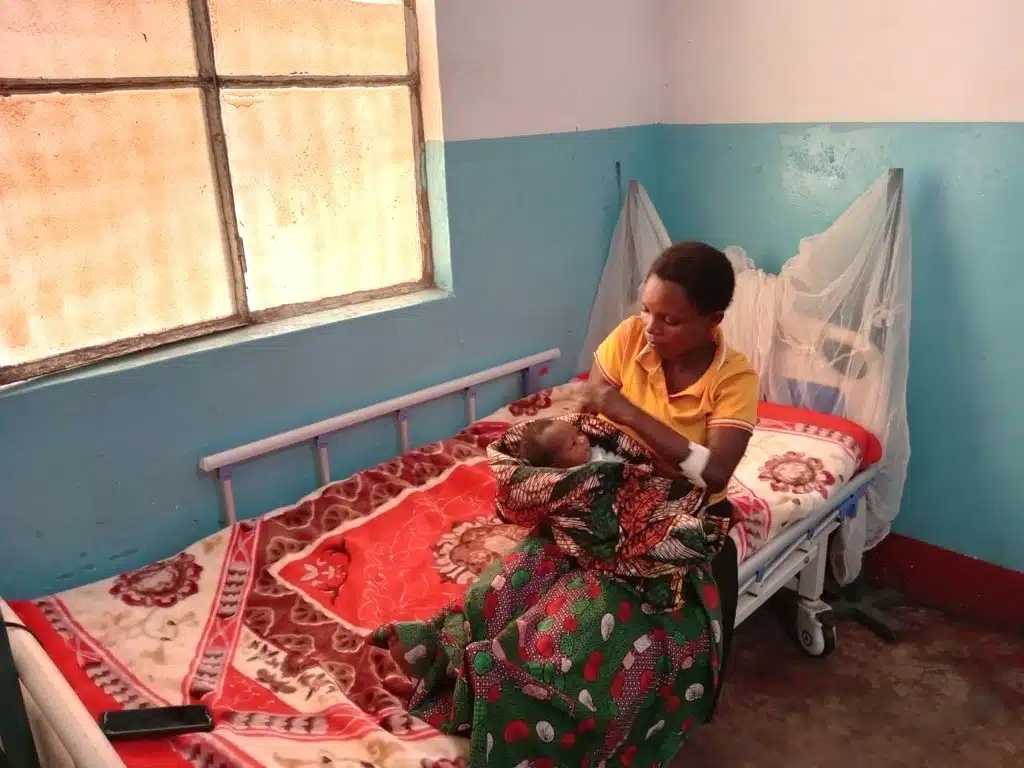
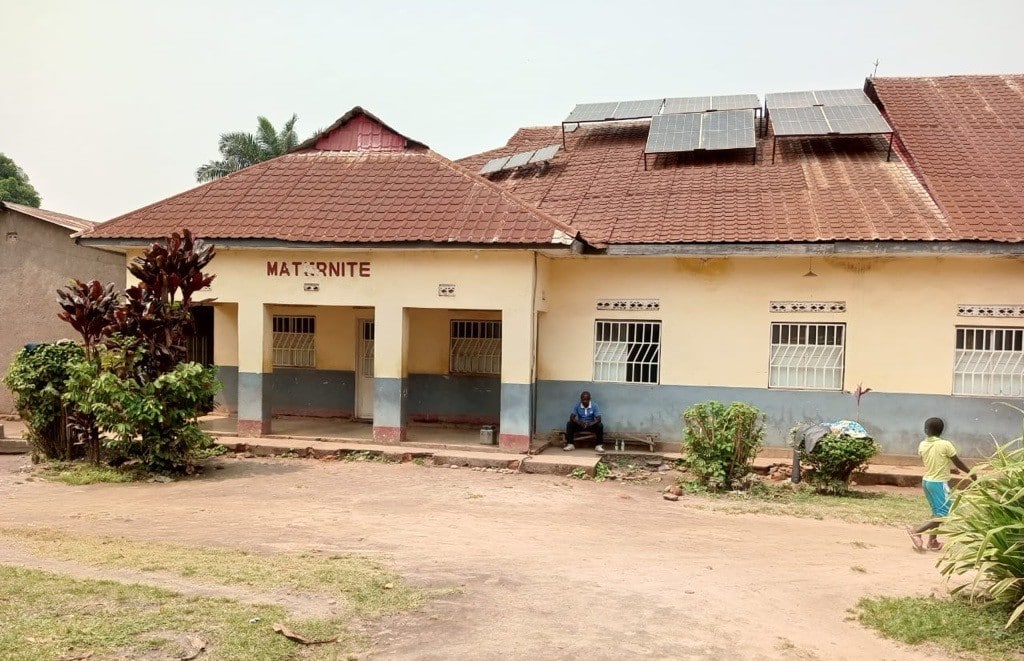
KAMINA, Congo | In the heart of the North Katanga Episcopal Area, The United Methodist Church’s Shungu Health Clinic stands as a lifeline for remote and impoverished communities.
Founded in 1956 with five beds, the clinic now has 46, and can treat nearly 600 patients a month. Shungu is transforming statistics into stories of hope through its malaria, nutrition, HIV, and maternal and child health programs.
“The number of patients treated each month shows that the church’s health mission is meeting a real need,” said Kitenge Mukaya Adolphe, health secretary of the North Katanga Episcopal Area. “In Kamina, accessible services are vital, and the clinic’s work is a concrete expression of community service.”
Malaria Prevention and Awareness
The Rev. Malabo Wa Umba John, district superintendent, said sustaining Shungu Clinic’s impact requires careful coordination and monitoring each program to know what medicines, foods, equipment, and staff are required.
“For malaria, our goal is to keep diagnostic and treatment tools available while raising awareness,” he explained.
Ilunga Mande, 34, a malaria patient from Kamina village, shared how Shungu Clinic helped him recover. “When I began to have symptoms, coming to the clinic allowed me to be examined and directed to treatment,” he said. “I now understand the correct use of mosquito nets and the need to consult when I have a fever,” Mande said. “Treatment is not only about curing malaria but also about preventing it.”
Vital Prenatal Consultations
“At Shungu Clinic, we provide an average of 156 consultations each month,” said Sony Masela Solange, maternity nurse-in-charge. “These visits allow us to check the mother’s condition, identify warning signs, and give health education.”
Consultations also cover prevention. “We discuss malaria, HIV, nutrition, hygiene, and preparation for delivery,” she said. “Early detection means mothers can receive care or be referred when necessary.”
Solange emphasized the role of maternity services in HIV prevention. “We inform women about HIV, testing, and prevention of transmission from mother to child,” she noted. “Confidentiality and respectful communication are essential to reduce stigma.”
Reducing Child Mortality
Lenge Mwanza, head of child nutrition at Shungu Clinic, explained how care is managed for malnourished children, including those living with HIV.
“Early detection, rapid treatment of complications, and regular follow‑up are most effective,” she explained. “Parents need simple, practical education about feeding, safe water, and hygiene. For children living with HIV, coordination between nutrition and medical care is essential.”
Family education connects services. “A mother who comes for nutrition follow‑up can also receive advice about malaria or HIV,” she explained. Combining services helps families, while cooperation among health workers and providers improves continuity of care.
“We are finding that integrating our health programming in coordination with the health board is not only beneficial to patients; it is life-saving,” said Lorry Mpindu, program manager for Mid Africa for Global Ministries’ Global Health unit. “Overall health and wellbeing is dependent upon many interconnected factors, and we seek to provide care for the whole person.”
‘Living Testimony’
The clinic’s impact within the community is personal for local resident Jean.
“I was born in 1980, and my mother’s pregnancy was high-risk and required close medical supervision,” said Jean. She had to travel several kilometres to reach a hospital with obstetric services because Shungu’s poor infrastructure prevented a doctor from working there.
“Although she doubted it could manage her complicated pregnancy, circumstances forced her to deliver at Shungu.” When the midwife encountered difficulty, she called a doctor from the railway company, whose intervention saved Jean and led to the recruitment of doctors at the clinic. “That was where I was born, despite the challenges.”
“Now at 45, I am a living testimony of Shungu Clinic’s transformation. I have attended this facility since childhood and later as a mother,” said Jean. “Today, I serve my community as a community health relay.”
“We thank The United Methodist Church for establishing this medical facility,” she said.
Dr. Patrick Ilunga Kilunji is the medical doctor-in-charge of Shungu Clinic in The United Methodist Church’s North Katanga Episcopal Area. Kudzai Chingwe is a communicator for the Zimbabwe East Conference and Africa content development coordinator for Global Ministries.
Global Health
Guided by the United Methodist commitment to holistic health, Global Ministries partners with annual conferences, health boards, and local communities to strengthen comprehensive systems of care that nurture body, mind, and spirit. The Global Health unit concentrates on revitalization of facilities and staff training to building better water sources, developing sanitation facilities, and promoting nutrition: preventing, testing, and treating those affected by preventable diseases, such as malaria, HIV and AIDS; and supporting the most vulnerable populations, including mothers, newborns, and children.