
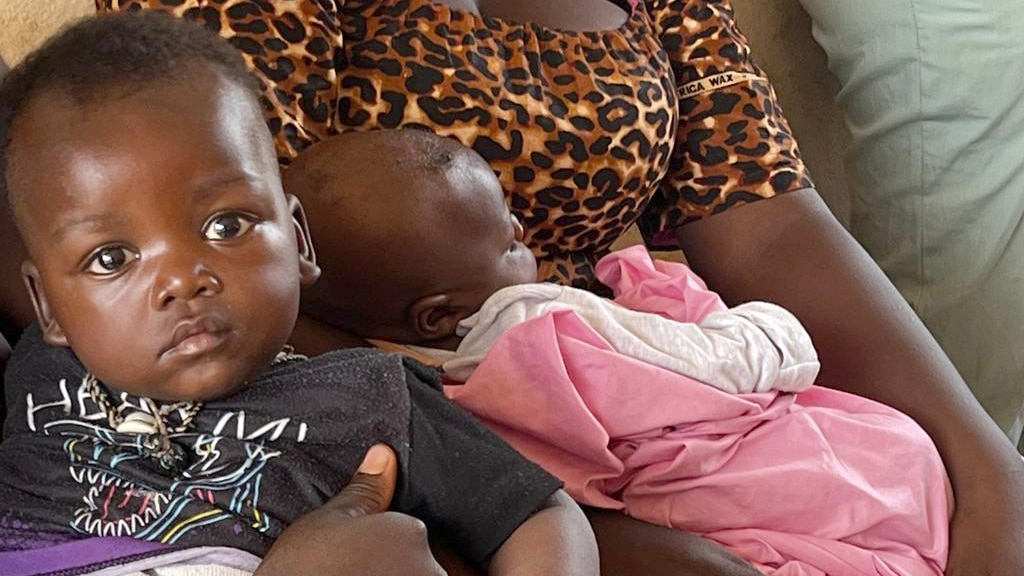
In several episcopal areas across Africa, where Global Ministries supports both United Methodist health facilities and agricultural work, a synergistic ministry is being piloted that unites food security, using the Yambasu Agriculture Initiative knowledge and experience, and mother and child wellness, with input, training, and coordination through Mother, Newborn, and Child (MNCH) programming of UMC health boards. This partnership aims to improve nutrition for pregnant women and mothers so that they can successfully and exclusively breastfeed their newborns for six full months. It also promotes optimum growth and development in young children by preventing malnutrition.
“We must continue to work to strengthen household food security, especially among pregnant and breastfeeding women,” notes Denise Mondji Yindje, MNCH coordinator for the Central Congo area. “We are establishing nutritional support programs for vulnerable mothers and multiplying strategies to inform and educate families on the importance of maternal nutrition during pregnancy and breastfeeding.”
The episcopal areas of Central Congo and North Katanga, in the Democratic Republic of Congo (DRC), and Sierra Leone have begun projects that pioneer this new way of working together.
Denise Mondji regularly visits the agricultural fields dedicated to this work at the YAI project and the Diengenga health facility in Wembo Nyama. Bishop Daniel Onashuyaka Lunge of Central Congo also visited on the day that a group of children who successfully recovered from malnutrition were discharged from the Diengenga Health Center. The bishop prayed for all the children and gave each family pairs of rabbits, improved seeds, and agricultural tools to the heads of households affected by malnutrition.
Mothers Need Support
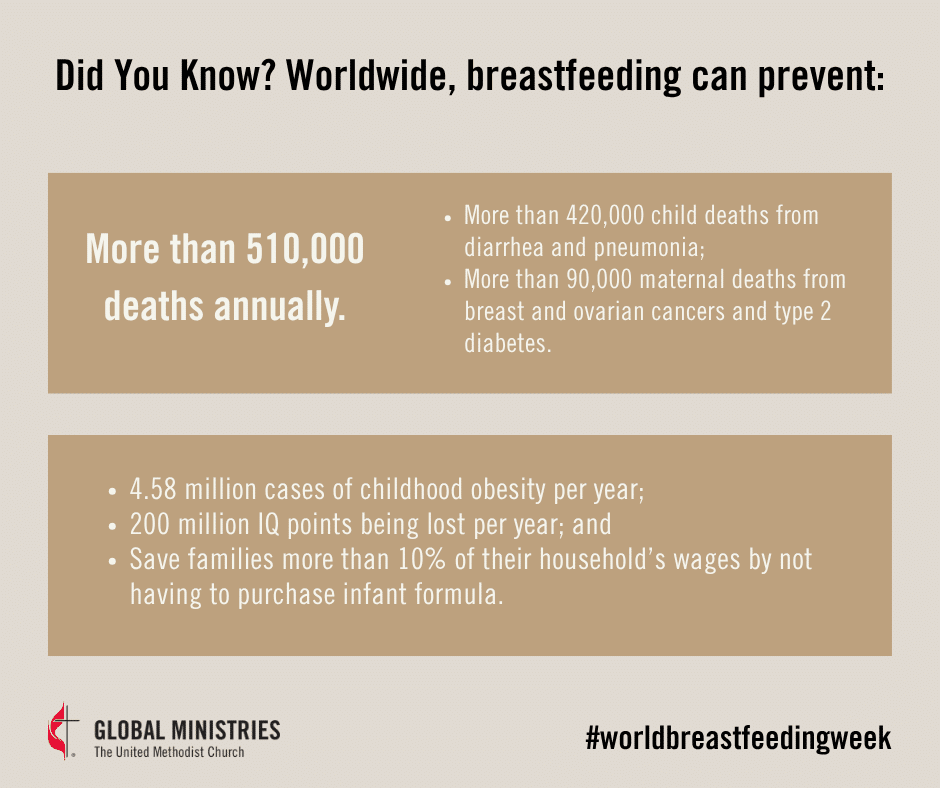
Breastfeeding provides ideal nutrition for babies as well as vital immune-boosting antibodies from mother to baby. It has been scientifically proven to protect infants from infections, obesity, and sudden infant death syndrome (SIDS) while significantly reducing a mother’s long-term risk of breast and ovarian cancers, diabetes, and heart disease.
But what do mothers need to support them through breastfeeding? Women cannot produce enough balanced, nutritious, and plentiful breastmilk if they themselves are malnourished, sick, lack a supply of fresh water, or are unable to access medical care.
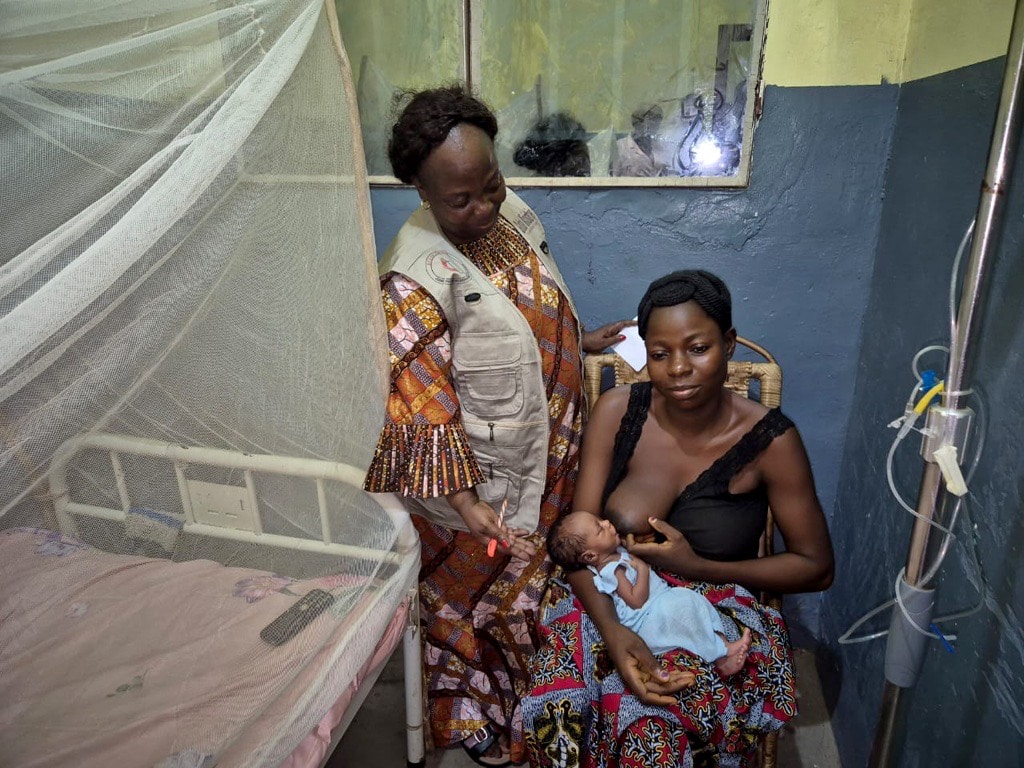
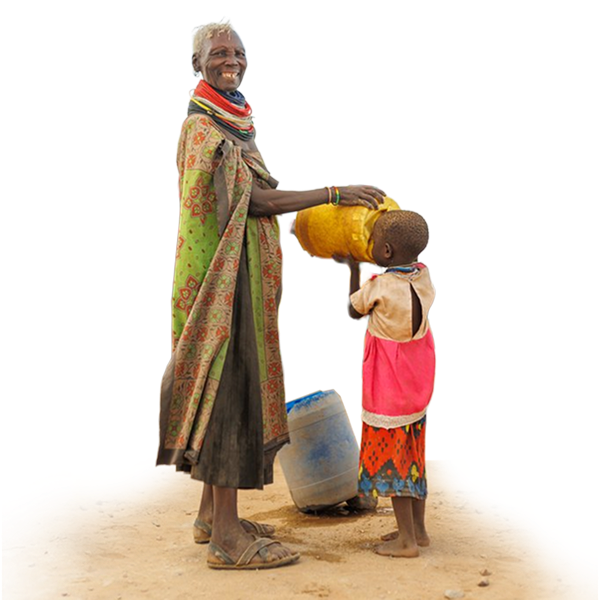
A woman whose subsistence-farming family and community are experiencing a severe drought are at risk. A new mother who has had to flee her village or country because her community is in danger of violent attacks is at risk. A mother who already struggles to feed and care for her family will often feed her husband and older children first, reducing her own portion.
Reaching beyond the “breastfeeding is best” message, this year’s World Breastfeeding Week urges everyone to protect, promote, and support breastfeeding by targeting ways to sustainably improve food security and reduce poverty, which means enough nourishing food at the family table as well as food for household income to pay for necessities like the children’s school fees to help build their future.
United Methodist Support Works Holistically
Food insecurity is a major problem in Africa. With widespread poverty, sometimes conflict, poor crop yields on overworked land, and the increasing effects of climate change, the pressures on food access increase. These threats also affect health.
Since last year, the reduction in international funding has been a severe setback but governments, local health and development organizations, the church, and others are finding innovative, sustainable ways of moving forward. This does not fill the gap but is reason to celebrate.
Overall, Global Ministries’ Food and Nutrition Security (FNS) program will work to improve nutritional health of pregnant women and mothers and prevent and treat severe and acute levels of malnutrition in children. Designing, managing, and delivering food and nutrition interventions is coordinated through facilities with MNCH programming.
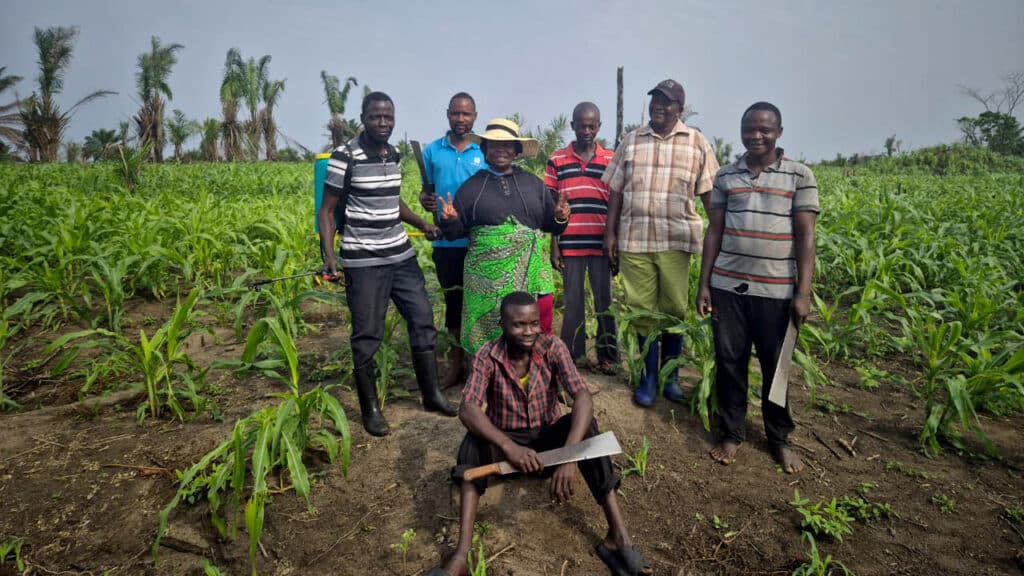
By promoting sustainable agriculture practices, improving access to nutritious food, and enhancing nutrition education, the program aims to increase food security, reduce malnutrition, and enhance the overall health and resilience of the participating communities. This will be achieved through a collaborative approach between the Yambasu Agricultural Initiative and the Global Health unit, ensuring a comprehensive and sustainable impact.
Denise Mondji notes: “Food security is a critical factor for the success of breastfeeding. Adequate maternal nutrition promotes maternal health, milk production, and optimal child development, while food insecurity undermines these benefits.”
Christie R. House is a consultant writer and editor with Global Ministries and UMCOR.
The General Board of Global Ministries – Global Health
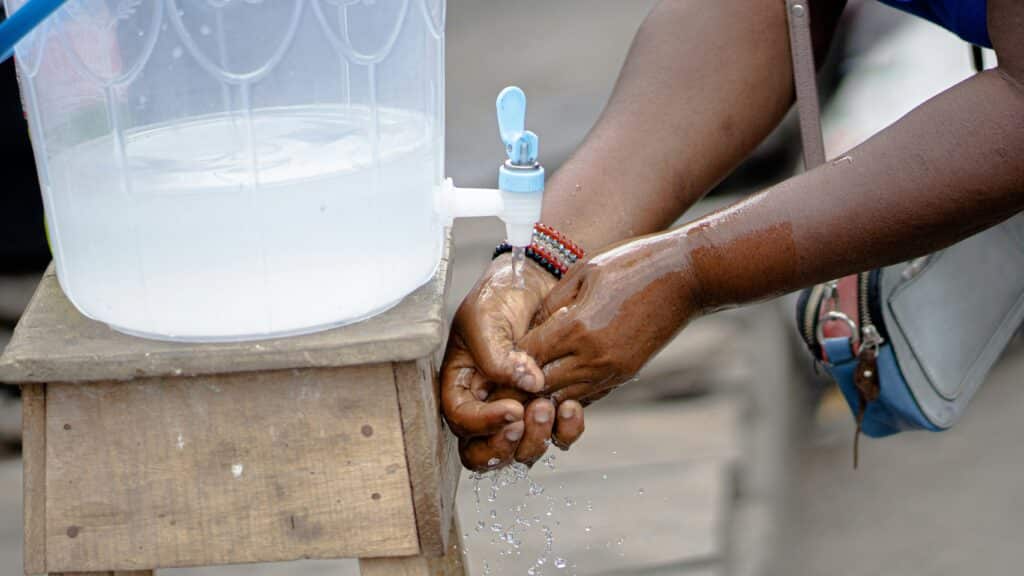
Through United Methodist conferences and health boards, Global Ministries works to strengthen whole networks of health responses, from revitalization of facilities and staff training to building better water sources, developing sanitation facilities and promoting nutrition. Global Health concentrates on preventing, testing, and treating those affected by preventable diseases, such as malaria, HIV and AIDS, and Ebola, and supporting the most vulnerable populations, including mothers, newborns, and children.