
For the first time, ending malaria in our lifetime is a real possibility. New vaccines, treatments, malaria control tools and pioneering technologies are in development. Already, 25 countries are rolling out malaria vaccines to protect 10 million children a year. Next-generation mosquito nets now make up 84% of all new nets distributed.
Driven to End Malaria: Now We Can. Now We Must
World Health Organization, World Malaria Day 2026
ATLANTA – For more than two decades, The United Methodist Church (UMC), through Global Ministries; Global Health unit, stood at the forefront of the fight against malaria in 13 countries of sub-Saharan Africa through its support of the Imagine No Malaria (INM) program. Together with communities, ministries of health, and partners across the region, Methodists helped save countless lives, especially those of pregnant women and children – through prevention, treatment, and strengthened health systems in vulnerable communities. INM reached more than 2 million women and children with lifesaving interventions using more than $40 million in grants.
That legacy matters but malaria has not gone away!
With the conclusion of the final INM grants and the closure of the program, the reality on the ground remains sobering. Malaria is still the leading cause of child mortality in sub‑Saharan Africa. As of 2025, the World Health Organization reported approximately 610,000 malaria deaths globally, a slight increase from 2023. This troubling rise comes amid a broader decline in malaria funding worldwide, threatening hard‑won gains and leaving vulnerable children and communities at renewed risk.
At the same time, the global effort to end malaria is entering a new era – one defined by research and development, innovation, data, and partnership to scale up interventions and reduce duplication of efforts. Global Ministries’ Global Health unit is also responding by shifting its malaria strategy from a single-focused program toward a more integrated and sustainable one of higher‑impact and future-focused solutions in disease prevention and control that reflect both the urgency of the challenge and the opportunities of today’s realities.
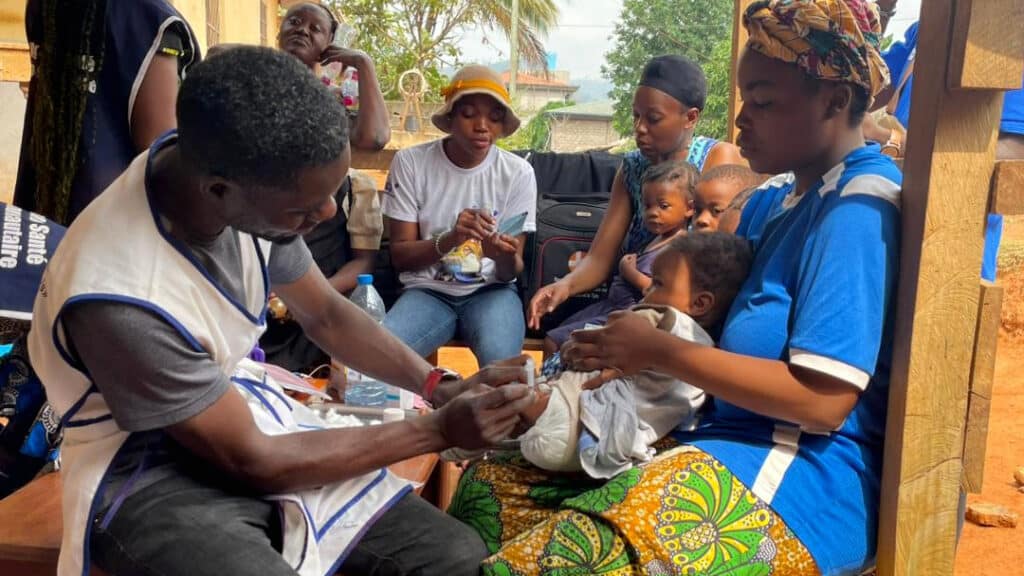
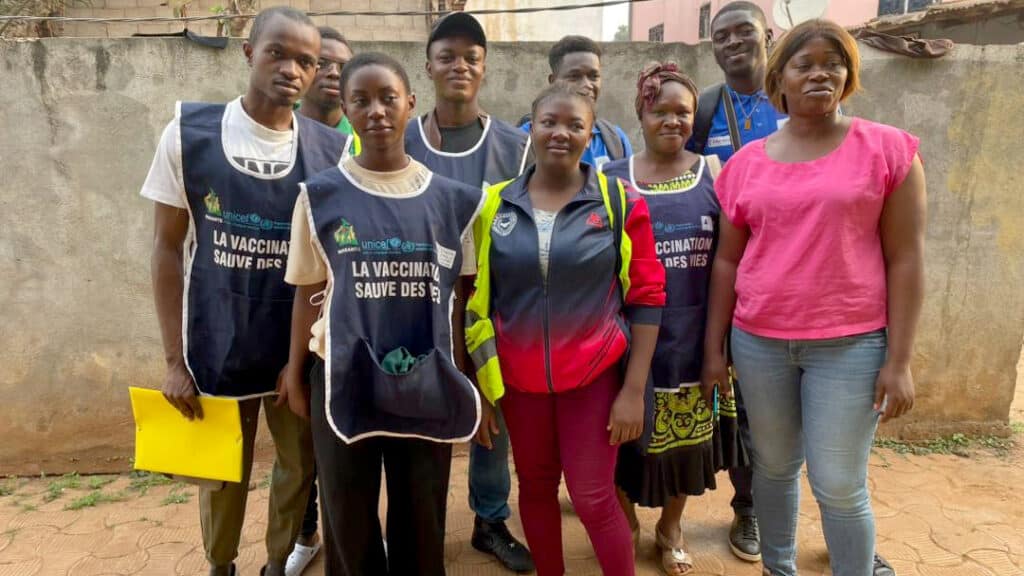
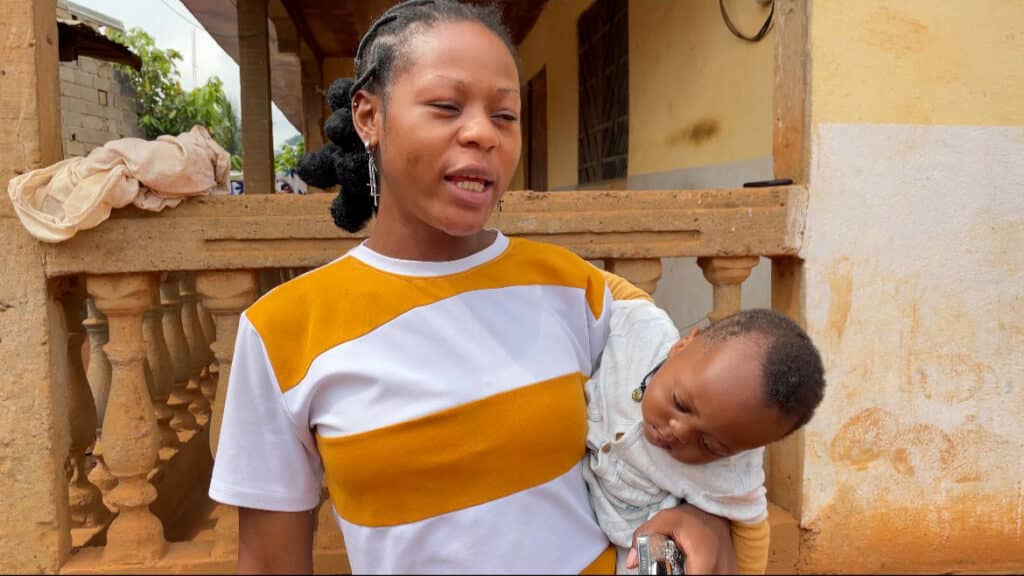
An example of this shift can be seen in a recent campaign by the Cameroon UMC Health Board. A mother of twins in Ngoumou received care from a UMC mobile medical team of trained Community Health Workers to vaccinate children and women. “During the vaccination,” the mother explained, “the health personnel gave us a talk of family planning. They changed my belief that family planning causes cancer as it is always said in our region. They taught us different types of family planning, which I never knew existed.”
The health team also tested for the malaria parasite, offered treatment, and distributed bed nets, reaching people in remote places with a full array of health options and information that produces overall better health outcomes for the whole community.
Innovation and artificial intelligence are also increasingly shaping the work and how global health programs prevent, detect, and respond to disease around the world. The Global Health unit is embracing these advances and innovations by prioritizing future-focused malaria prevention and control approaches, including supporting advocacy for and the deployment of malaria vaccines across UMC health facilities in countries where the vaccine has been introduced, expanded use of preventative medications, and investment in cutting‑edge research and development.
One example is support for innovative mosquito‑control research, such as the “Zento Project” at Africa University in Zimbabwe, which explores new insecticides and vector‑control technologies aimed at reducing mosquito populations and interrupting transmission at the source.
Equally critical is collaboration. Global Health and its partners are strengthening their collaboration with local ministries of health, local faith institutions, academic researchers, and nongovernmental organizations to align strategies, reduce duplication, and multiply impact. By working together, partners can ensure resources are used efficiently and interventions reach the communities that need them most.
The fight against malaria is possible with the help of everyone; we can finish it.
Lorry Mpindu, who previously served as program manager for Imagine No Malaria, is currently the program manager for Global Health programs and projects in the Mid-Africa region, including programs across the expanse of the Democratic Republic of Congo.
World Malaria Day
On World Malaria Day, April 25, 2026, the World Health Organization partners to launch the campaign: “Driven to End Malaria: Now We Can. Now We Must.” Consider a gift to the United Methodist Abundant Health project which undergirds Global Health work in many countries, predominantly on the African Continent.