
ATLANTA – As the Ebola outbreak continues in the Democratic Republic of Congo (DRC), Global Ministries and UMCOR are working with conferences and trusted partners in affected and high-risk regions to strengthen local response efforts. While the scale and intensity of outbreaks vary by region, the impact on families, health systems, and local economies remains profound.
As of July 16, reports indicate 2,073 confirmed cases and 796 deaths. Most cases are centered in Ituri Province, particularly in Bunia, where The United Methodist Church has a health center, with additional cases reported in North Kivu and South Kivu provinces. The East Congo Health Board has recently received accreditation from the DRC Ministry of Health to participate in the overall team response in Bunia. They are now able to do case management with patients and families with the disease and receive additional resources, coordinating with the Ministry of Health.
Global Ministries and UMCOR have awarded $425,000 in grants to date to support the efforts of UMC health boards, disaster management offices, and trusted faith-based partners as they conduct community risk awareness, outreach, and humanitarian response. In less affected areas, grants are focused on monitoring, training, preparedness, and rapid response capacity.
Health boards are using initial grants to train medical staff and community health workers, promote Ebola awareness and preparedness, and strengthen surveillance. Through the East Congo Health Board, staff and community health workers have been trained at UMC health facilities in Bukavu and Uvira in South Kivu Province, and in Goma and Beni in North Kivu Province. Staff are also conferring with DRC’s Ministry of Health and coordination committees to identify gaps in underserved health zones. Additional funds will help expand these activities based on data and identified gaps.
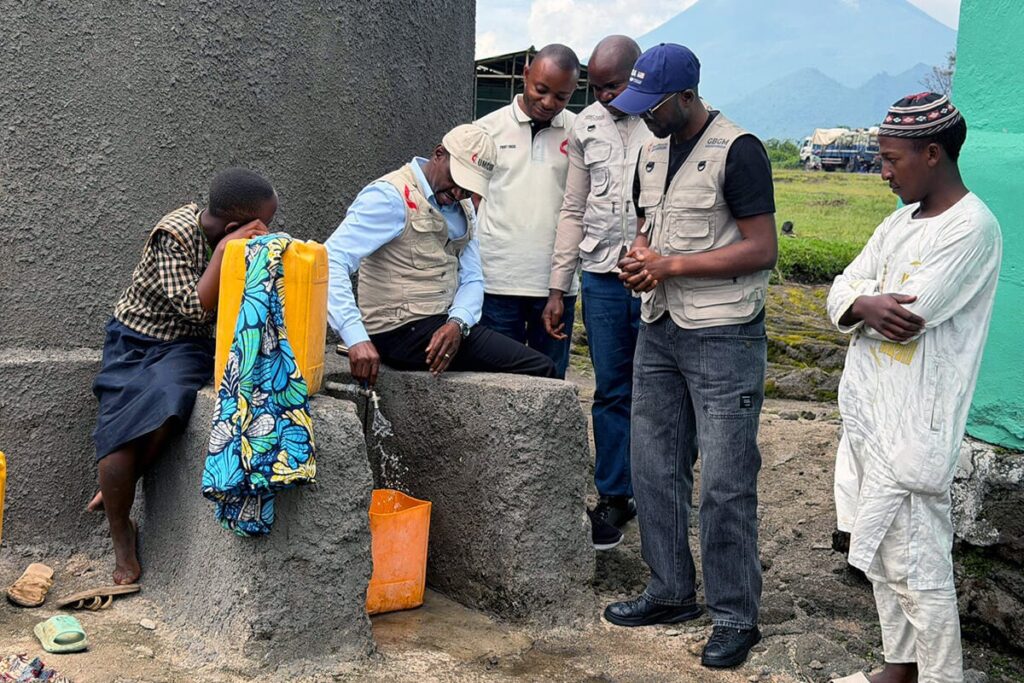
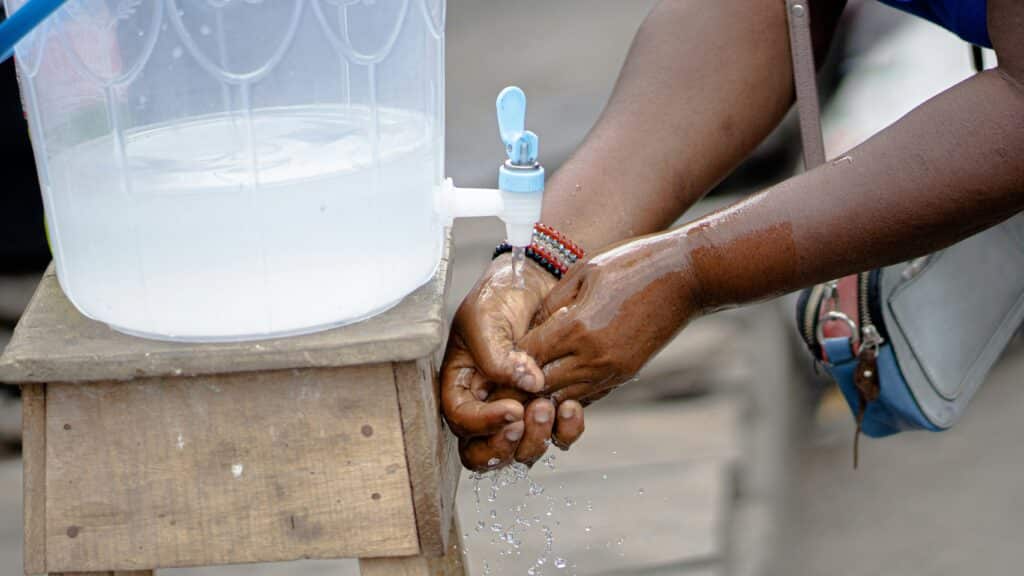
At health facilities, in addition to updated training, support is focused on increasing supplies of personal protective equipment (PPE) and medications, expansion of Water, Sanitation and Hygiene (WASH) services, and identification of potential gaps in isolation capacity. Progress has included more laboratories and hospital beds, improved contact tracing, and the training of up to 1,200 community health workers in DRC’s Ituri Province.
Educational efforts are urgently needed to address misinformation on the spread of the disease. United Methodist Communications is working with local conferences and health boards to coordinate mass communication efforts, with support from Global Ministries and UMCOR. Communications will be designed to educate communities on infection prevention and control, reduce denial and stigma, encourage early reporting of symptoms, and support safe caregiving practices.
West African partners remain on high alert and are preparing response plans because of comparisons to the catastrophic 2014–2016 outbreak. Their preparedness work is especially important amid concerns about lost institutional capacity following the cancellation of USAID funding.
Partnerships and ongoing coordination with ministries of health and other organizations remain central to Global Ministries and UMCOR’s response, helping ensure that resources are used efficiently and effectively. “Our goal is not only to respond to today’s outbreak, but to strengthen the capacity of conferences and local partners to meet future challenges,” said Roland Fernandes, general secretary of Global Ministries and UMCOR. “The needs are significant, but local conferences are uniquely positioned to mobilize trusted relationships, health ministries, and community networks. Supporting their preparedness and response efforts is one of the most effective ways we can help protect vulnerable communities.”
The response also recognizes the broader social and economic consequences of the outbreak. Quarantines and disruptions to daily life affect livelihoods and access to education. Food insecurity is a growing concern as markets close in the DRC and thousands of people live in crowded camps or remain on the move. Partners are supporting emergency relief, including food distribution and assistance for the most vulnerable households.
The high transmissibility and mortality of the Ebola virus present significant challenges, and continued support will be essential to protect gains already made and equip communities to respond to future outbreaks. As communities continue to face these challenges, Global Ministries and UMCOR remain committed to accompanying local partners with compassion and practical support for affected communities. We are grateful for the prayers, generosity, and solidarity that help equip conferences and local partners to protect their communities and strengthen their preparedness for the future.
Susan Clark is the chief communications officer for the general boards of Global Ministries and Higher Education and Ministry.
Global Health
Give a gift to the Abundant Health, Advance #3021770, to expand Global Ministries’ ability to meet the health needs of vulnerable communities globally.