
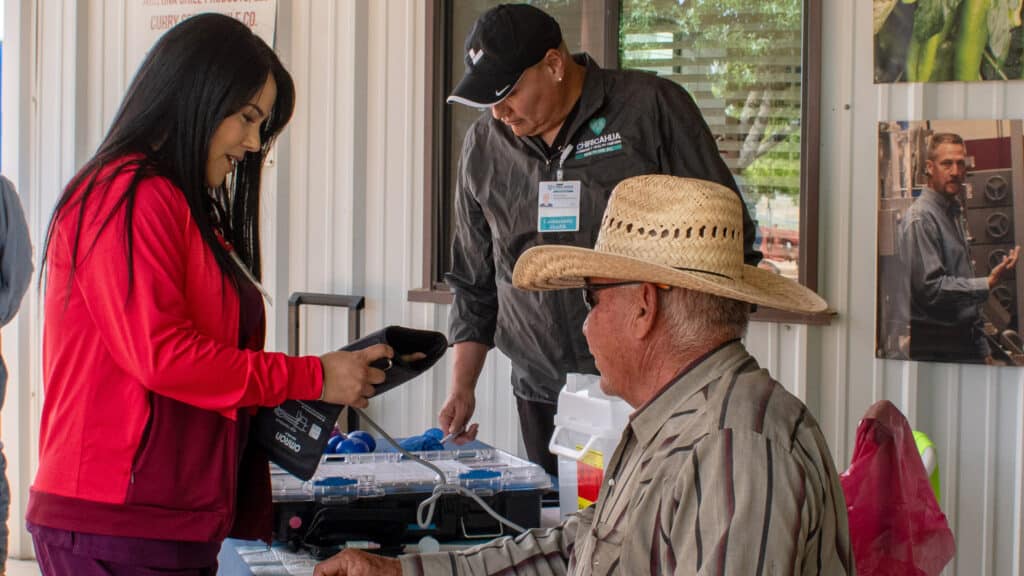
ATLANTA – Cochise County in Arizona has wide-open space and beautiful western vistas that remind visitors of Western movies set in the 1800s. The towns are spread out and relatively small. Its nearly 6,300 square miles, about the size of Rhode Island and Connecticut put together, is home to about 125,000 people, compared to those states combined 4.8 million. And the county’s 100-mile southern border meets the Mexican borderline. Today the area’s people are majority white and Hispanic, and many are lower income, with a portion also being undocumented.
Both geographic isolation and the prevalence of poverty make preventive, primary healthcare both complex and challenging. The county is designated as a health professional shortage area for medical, mental health, and dental services.
So, what happens when a mother with no health insurance realizes her 5-month-old is not growing or thriving? They go to the nearest Chiricahua Community Health Center, because she knows, even without insurance and few funds to pay the full bill, her baby will be in good hands. And once the diagnosis is made, patients are not left on their own to figure out what steps to take; Chiricahua staff will accompany this family until their baby is well and thriving.
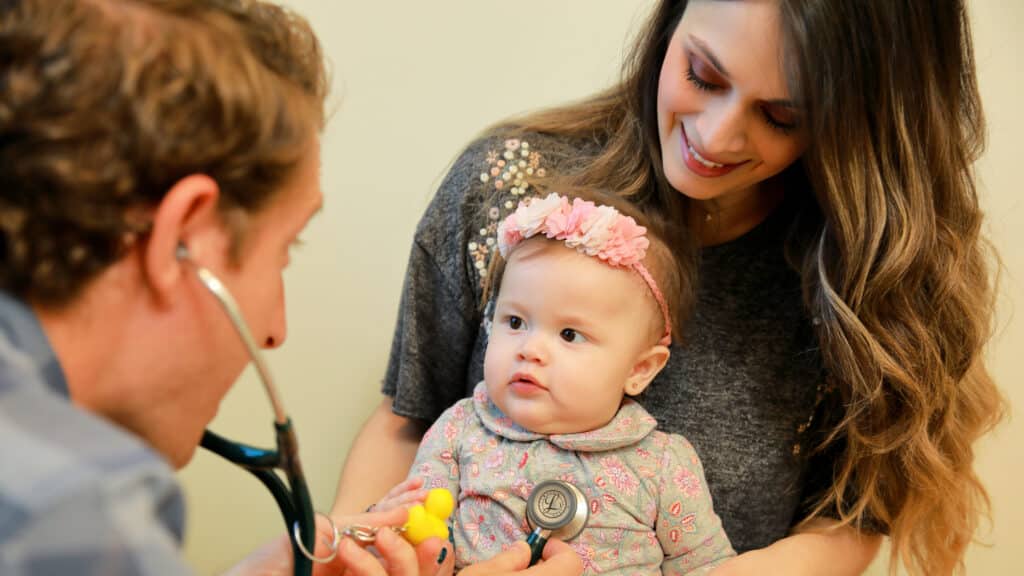
The case above, an actual patient, needed a plan to ensure the child received adequate nutrition for “catch-up” growth and to address any identified underlying issues. The baby required a three-month supply of a specific targeted formula to support healthy growth, which the family could not afford. After exploring options from formula manufacturers, staff determined they would need 27 canisters of powdered formula, a three-month supply at a cost of $769. After the mother paid what she could, the health center covered the rest of the cost. In addition, the center now sees the mother and child every month to monitor the child’s progress.
Yes, We Can Help!
The Chiricahua Community Health Centers, a network of health clinics, is the only federally qualified health center in Cochise County. As such, it cannot turn people away, even if they cannot pay for the services. These centers care for roughly 35,000 patients annually, which is more than a quarter of the county’s population. About 20% of these patients are without health insurance, with expectations for that rate to continue to climb this year.
But the Chiricahua network considers more than the health needs of its patients. They look at social needs that contribute to better health outcomes. Along with doctors, nurses and other medical personnel, Chiricahua has on staff a core of Care Coordinators, similar to case managers, who help patients like the mother of the 5-month-old baby find manageable solutions for their health challenges.
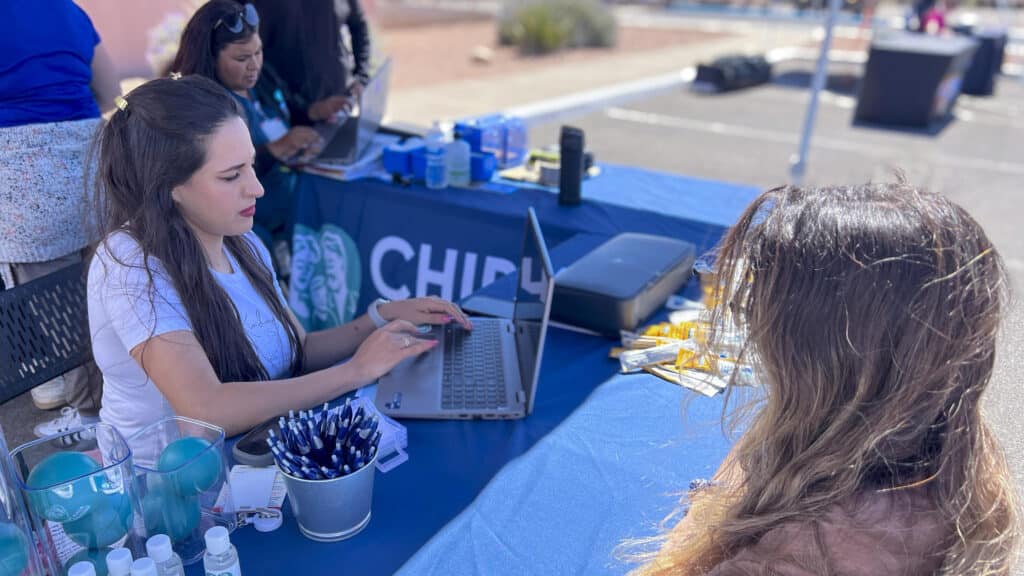
Dennis Walto, the executive director of the Chiricahua Health Foundation, notes that the health network cannot do this work alone. The Care Coordinators work between the clinics and the community, actively mapping what is available and matching those resources with their patients.
With the loss of some federal grants last year, Chiricahua Community Health Centers was searching for ways to fill the funding gap. This tied in with Global Ministries’ This Moment Matters granting initiative, specifically created to fill some of the funding gaps caused by the sudden withdrawal of federal grants and program initiatives.
“We just had a family whose house burned down three weeks ago,” Walto said in an interview. “They had no insurance. We’re scrambling to put the pieces together to get them temporary lodging. We were able to do that, but then what about food? What about the other staples that a family needs to survive? What the Global Ministries grant has allowed us to do is to embrace the accompanying health-related social needs of those patients without insurance in a way that allows us, and I can’t over-simplify this, to say ‘YES! We can help.’ What a joy that is.”
Bridging the Gaps Between the Clinic and the Community
Despite Chiricahua Community Health Centers’ reach, lack of access to healthcare is still a major challenge in the county. There are not enough doctors, nurses, dentists, or mental health workers to cover the population. Even though the Chiricahua Health network, with 430 staff members, is one of the larger employers in the region, they are often stretched thin. The number of uninsured patients is likely to increase in the next year.
In addition, transportation – with no bus service, trains, or even a reliable personal vehicle – is a challenge for many. Despite having more than a dozen health facilities spread out in different towns, not everyone is close to a health clinic or dental office.
A third challenge is the lack of internet providers. Broadband outside of the small urban microcenters is very unreliable, so even virtual health visits online cannot reach many people who may need immediate help.
But the Chiricahua mobile clinic has made a big difference. Chiricahua takes medical services into the communities and visits rural farms and other work sites to provide in-person care and check-ups.
Dennis Walto confirmed that the extra support from Global Ministries is making more daily life-saving interventions possible. “We are proud that we can say that not only is there never a closed door at Chiricahua, but our Care Coordinators are actively opening other doors and addressing health-related social needs.” Through partners like Global Ministries, Chiricahua continues to provide care that goes beyond medical visits and strengthens the foundations that families need to thrive.
Christie R. House is a consultant writer and editor with Global Ministries and UMCOR.
Chiricahua is a tribal name for the Chiricahua Apache people, a nomadic group that had roots much further north. Cochise is the name of a Chiricahua Apache chief who led the tribe in the mid-1800s.
Global Health
Give a gift to the Abundant Health, Advance #3021770, to expand Global Ministries’ ability to meet the health needs of vulnerable communities globally and in the United States.